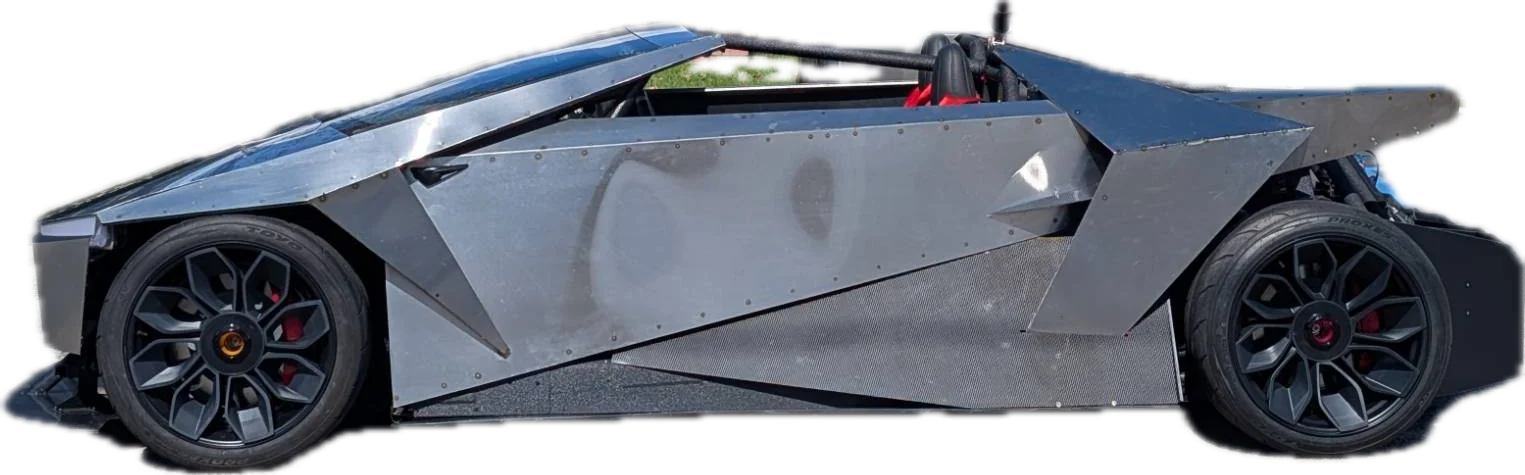
Roofless
Started as Tesla Model 3
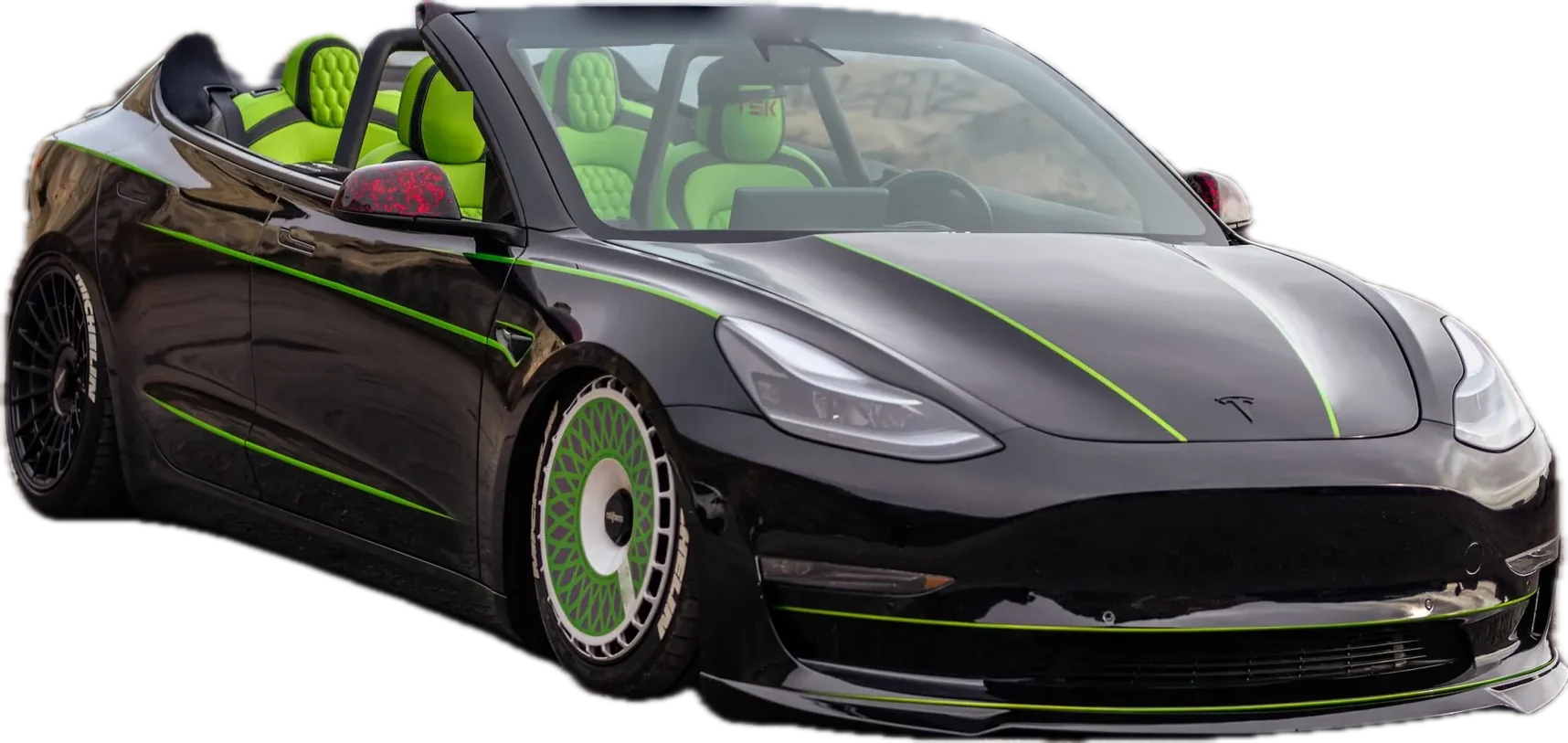
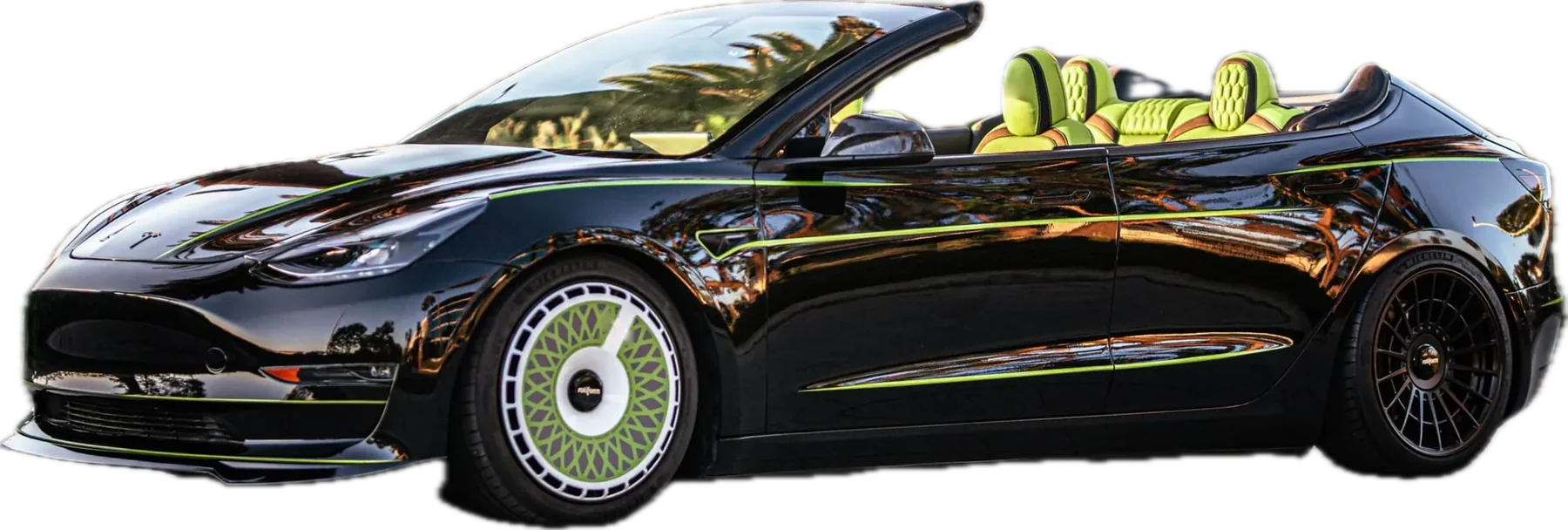
The world’s first fully roofless Model 3: the B-pillars gone, Autopilot kept.
- Removed
- B-pillars
- Moved, recalibrated
- Cameras and sensors
- Air, two compressors
- Suspension
CYBERHOOLIGANS
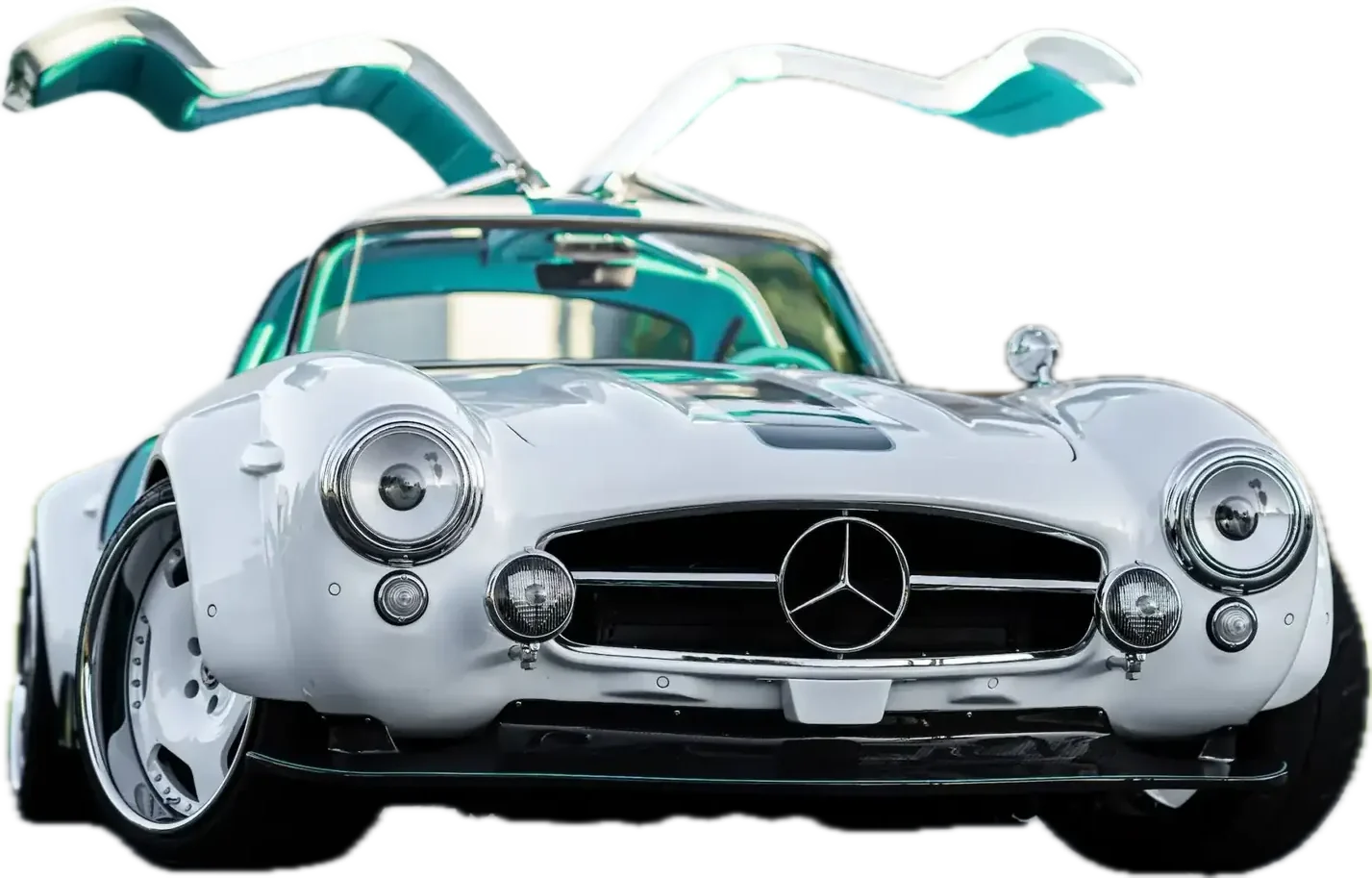
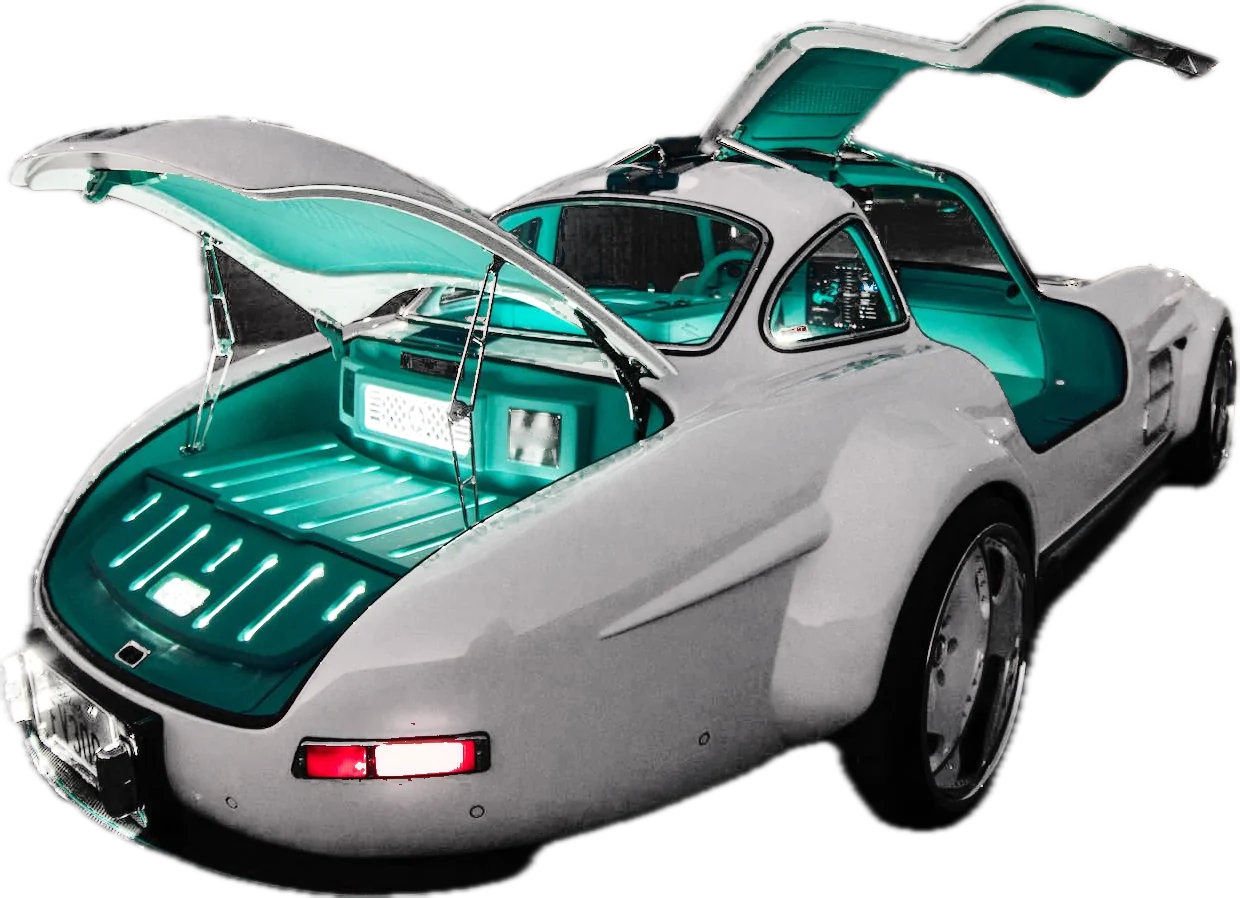
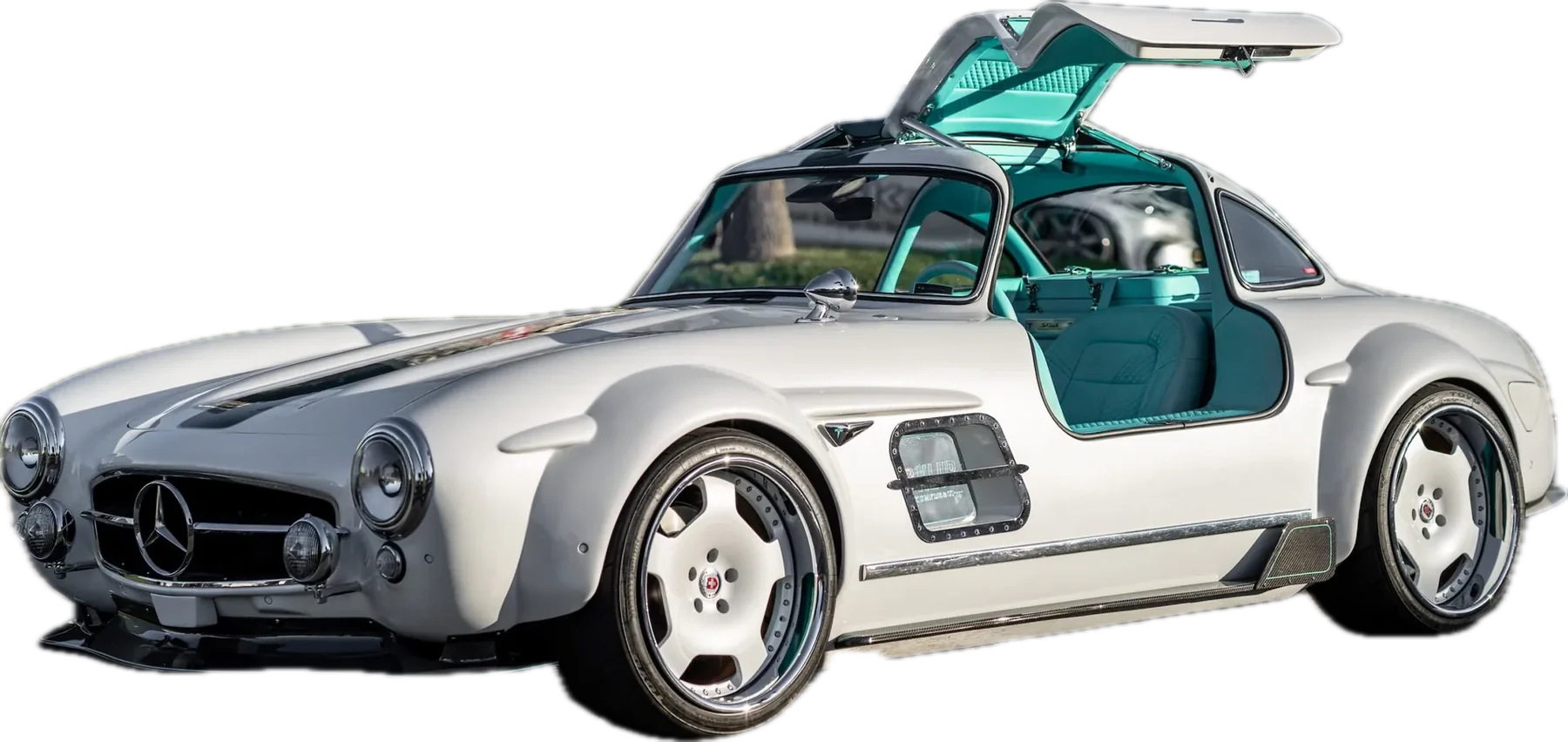
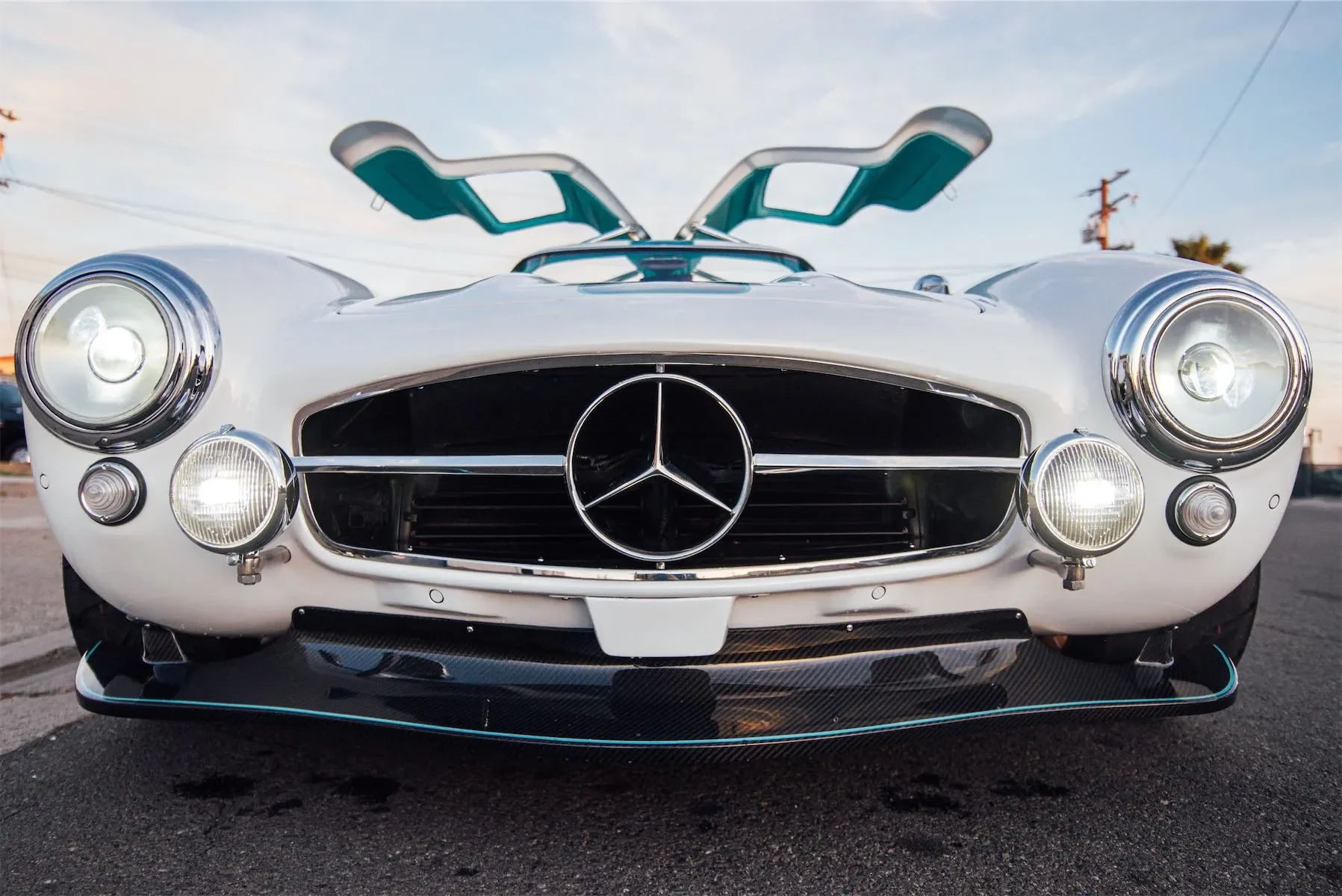
A 300SL-style coupe on 99% Tesla technology.
We don’t drop a battery onto a chassis and call it a build. Every car we make starts from its frame.
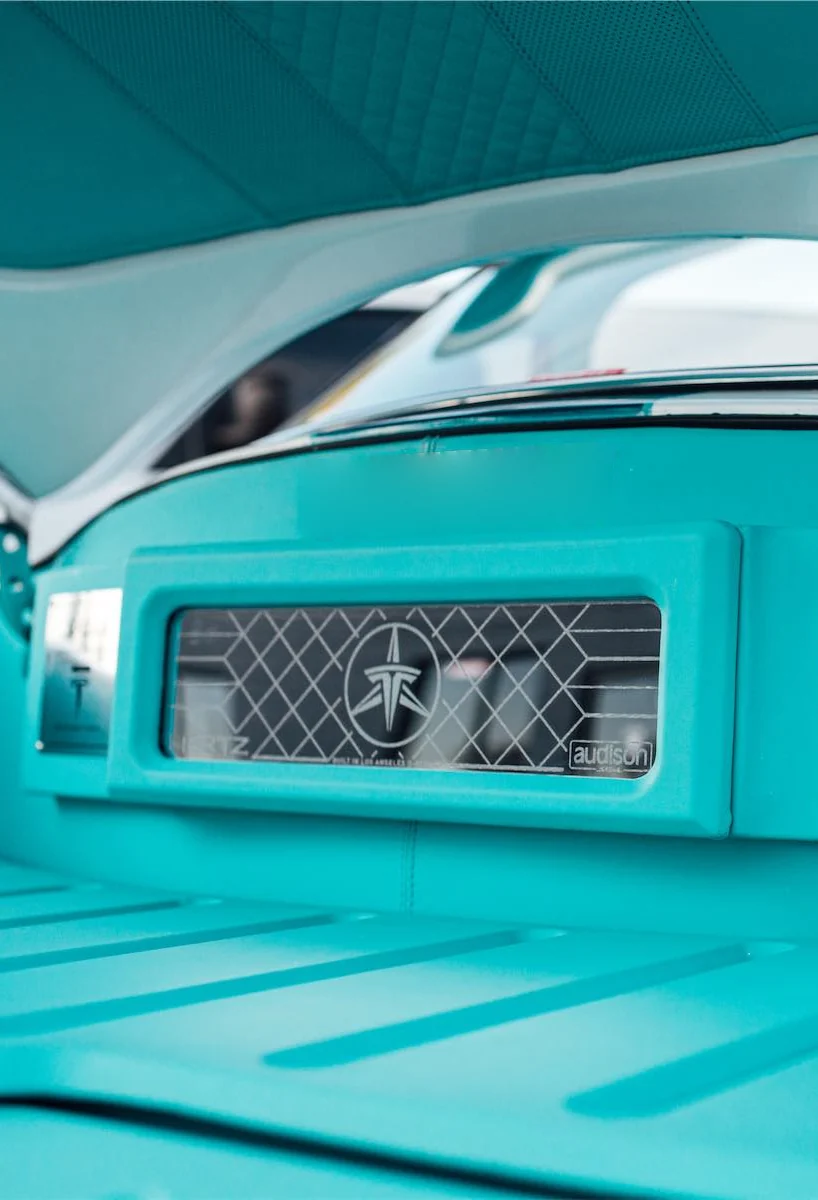
The biggest technical change we made to the Model 3: the charger unit now sits behind the seatbacks, so the low body fits over the platform.
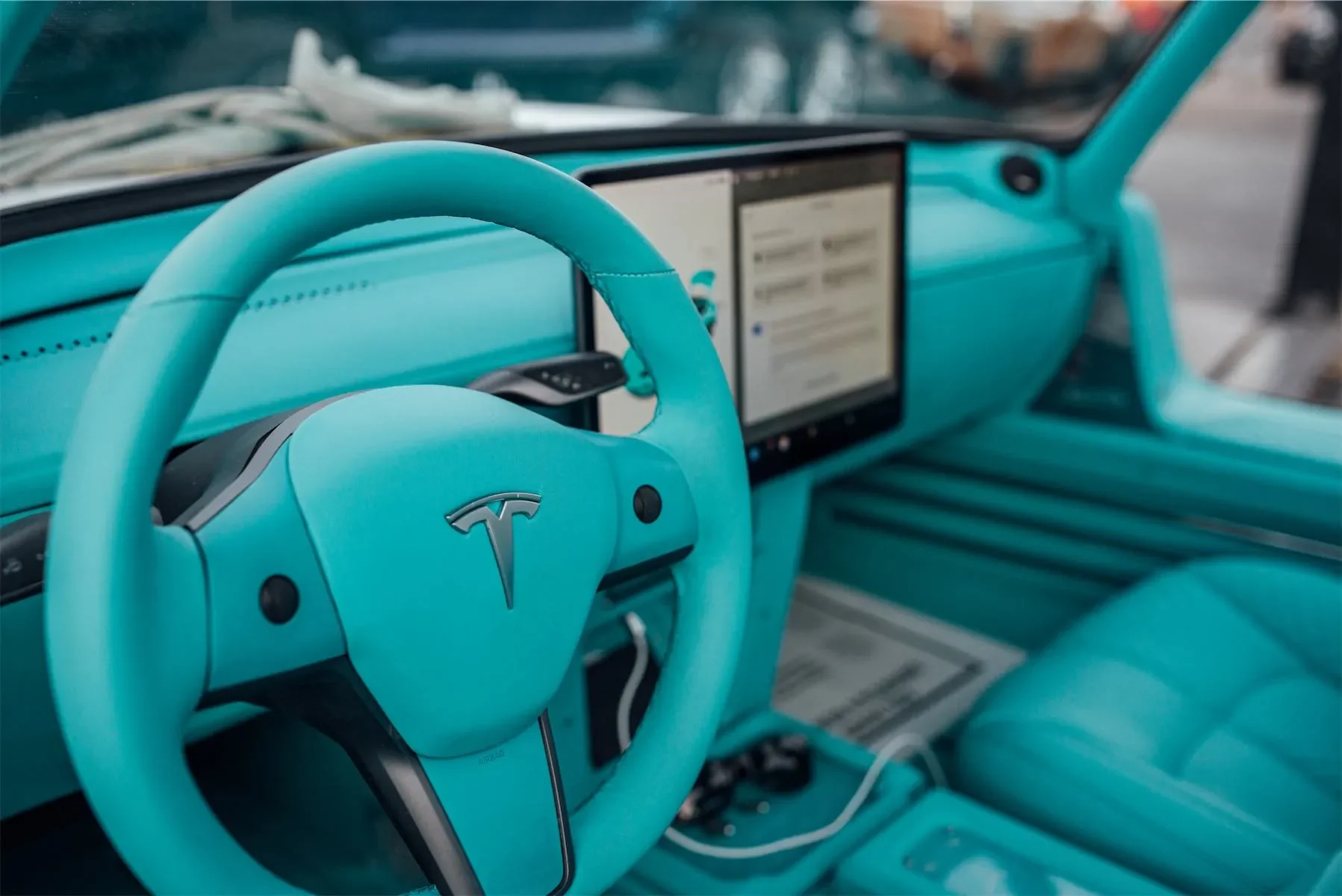
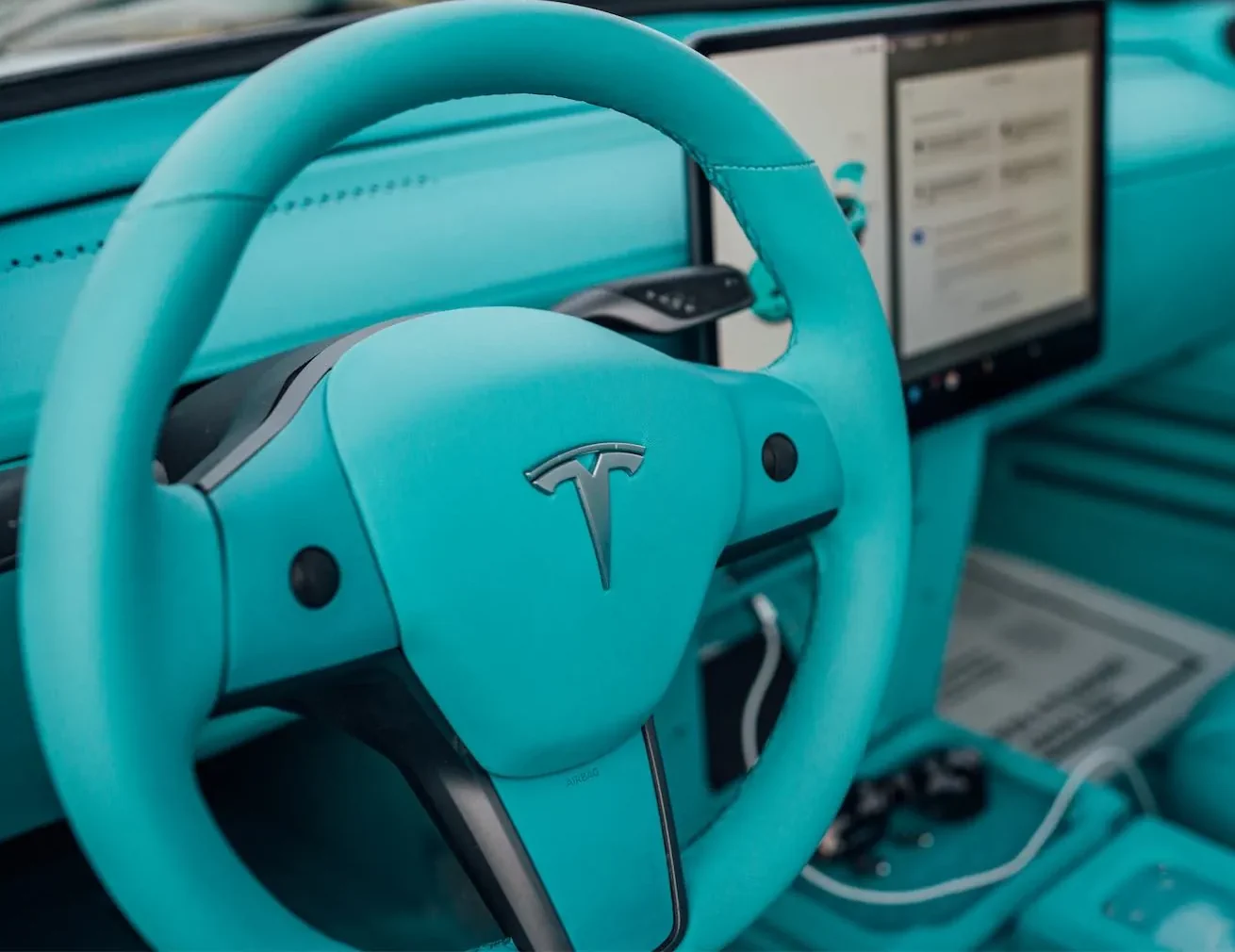
The steering column and pedal assembly moved significantly forward, and the screen moved for the lower seat — laid out like a Plaid’s.
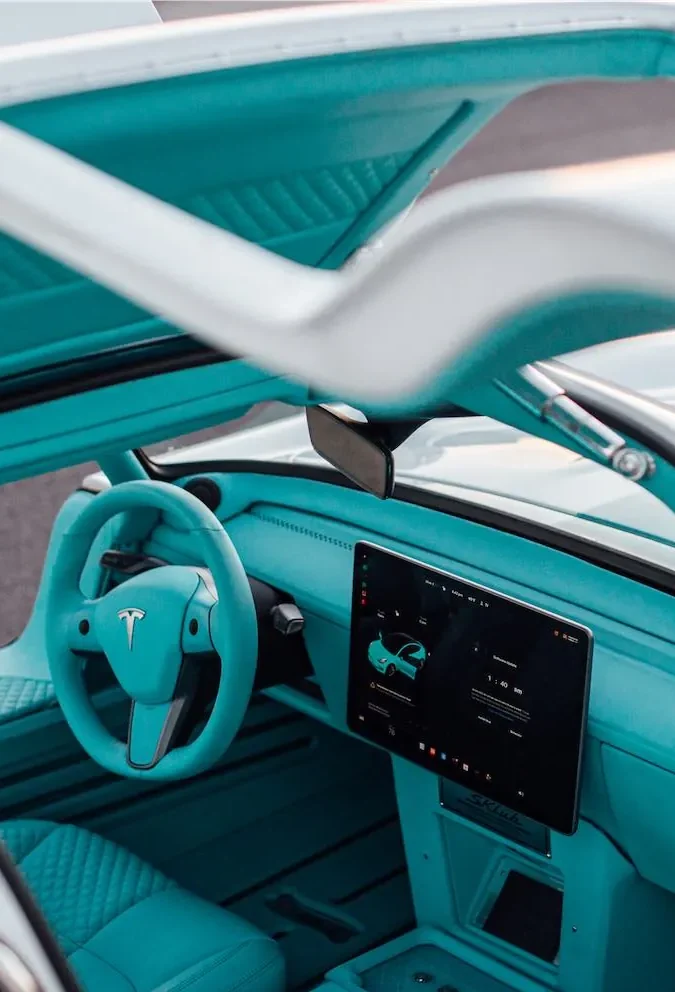
Change lanes and the screen shows the whole side of the car. Miss something, and the car warns you.
Cut shorter for the neo-retro line, they move like any Model 3’s, and the car still knows when you get in and out.
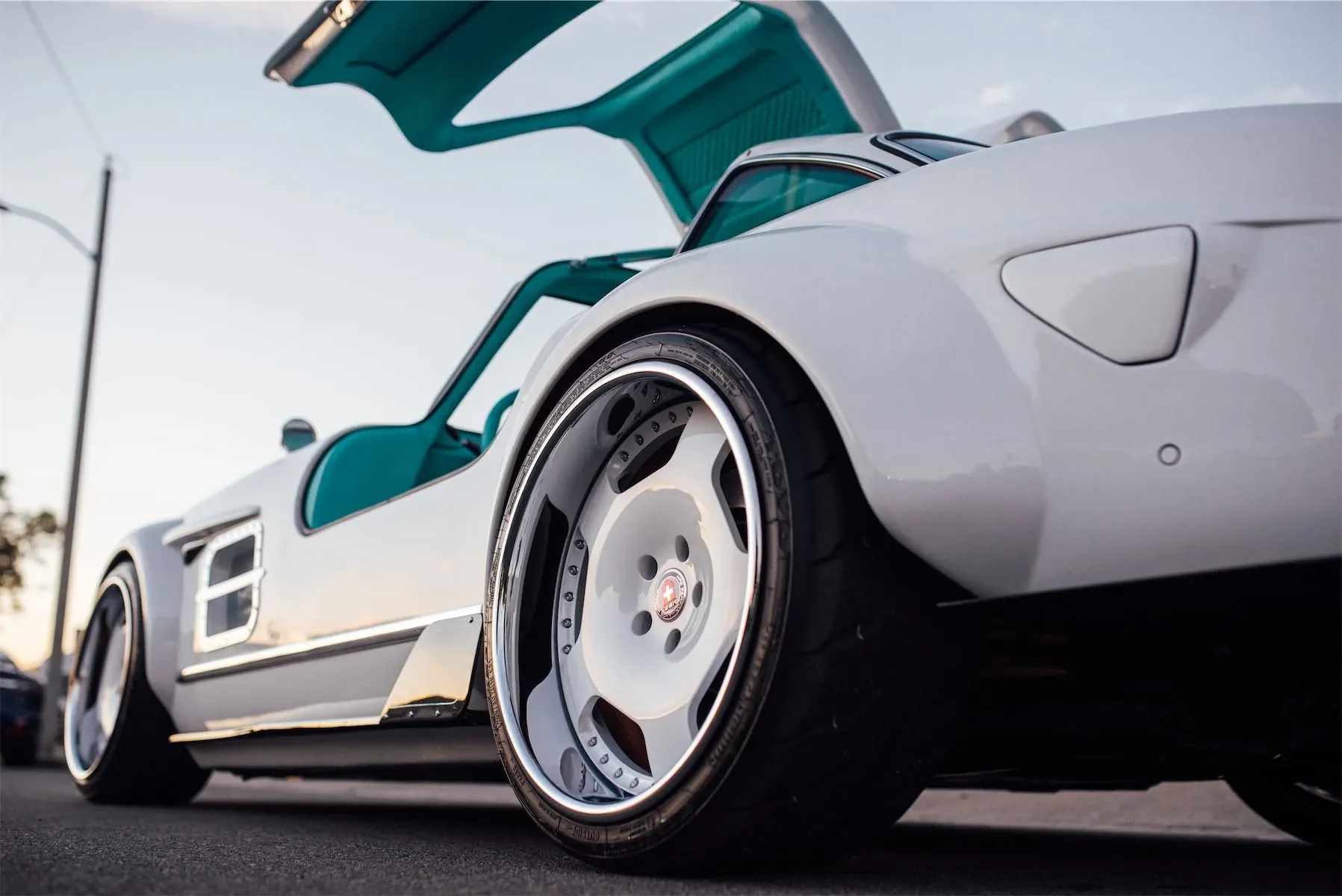
No pump noises, no home-made cooling, no suspension that wasn’t designed for the weight. Range and acceleration are Tesla’s.
Started as Tesla Model S Plaid
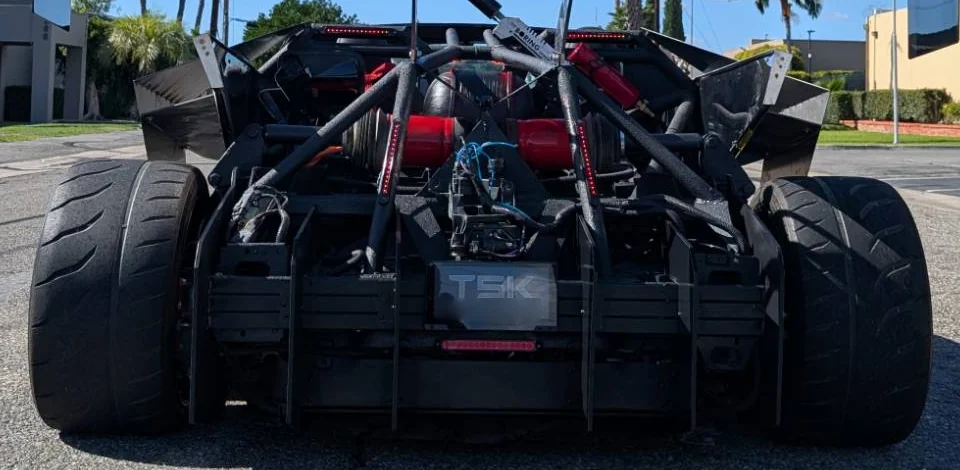
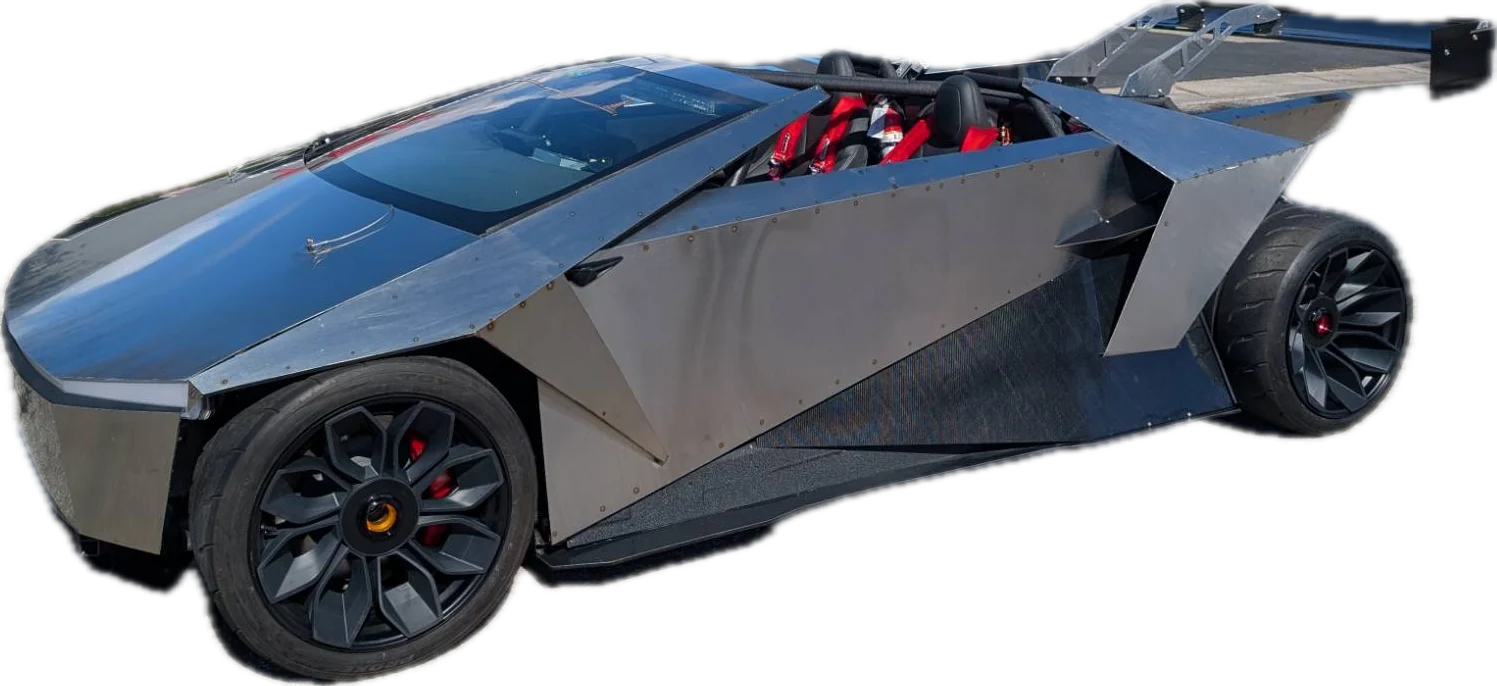
A cyberpunk roadster built on a 2023 Model S Plaid.
Conceived to improve on the Plaid itself: less weight, and a suspension redesigned around it.
From the donor car, only the front subframe and part of the front suspension are left. Everything else is built in-house.
Most conversions put a battery on a chassis and stop there. Ours start at the foundation: the frame first, everything else on top of it.
An electric conversion changes the whole car.
The structure changes, and so does the weight. Few builders check what that does to the suspension, the loads, the power for that weight, the balance. We work it out first, so nothing has to be redone later.
Started as Tesla Model 3
The world’s first fully roofless Model 3: the B-pillars gone, Autopilot kept.
CYBERHOOLIGANS
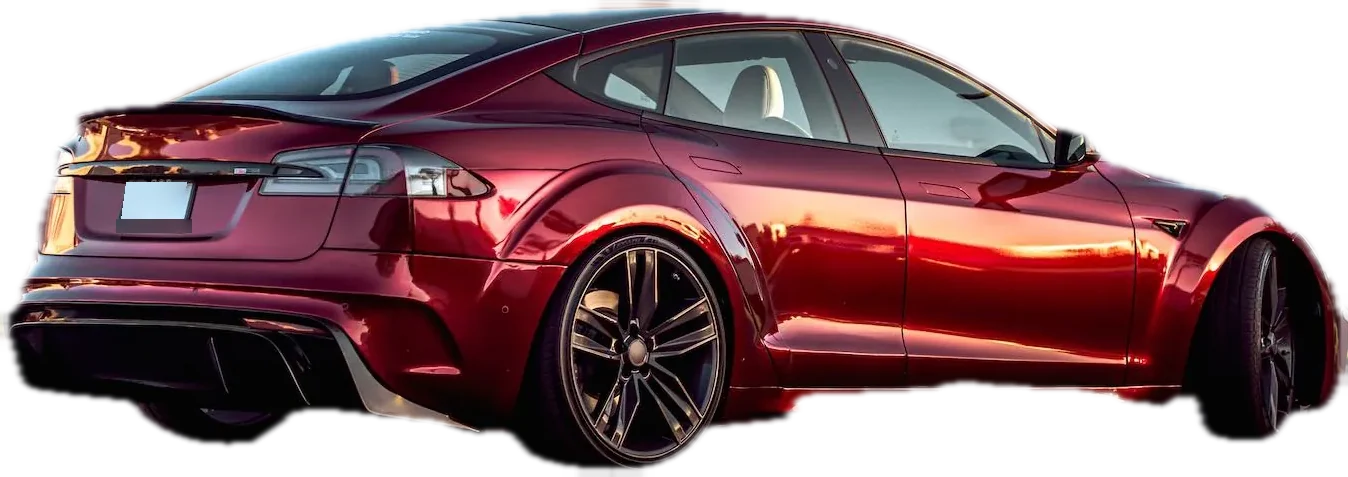
Started as Tesla Model S
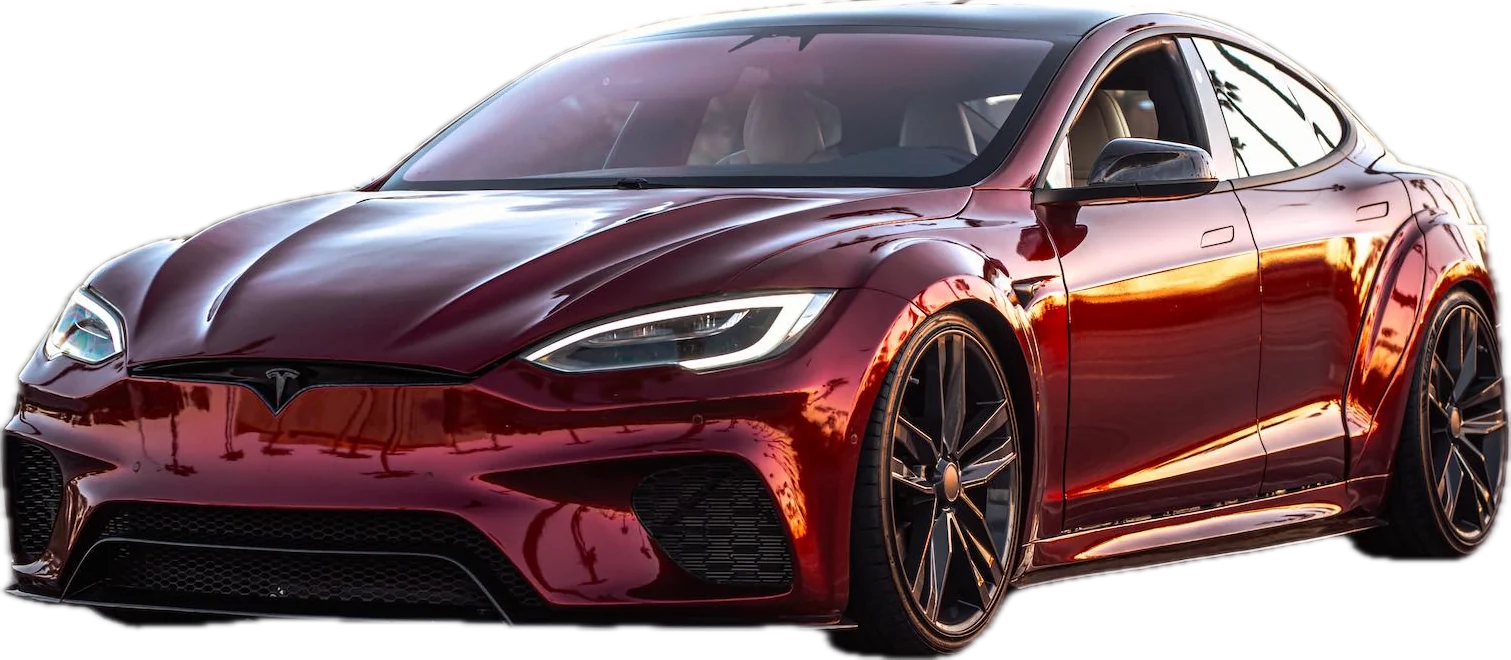
A muscle-car widebody for the Model S, exactly as wide as a Model X.
CYBERHOOLIGANS
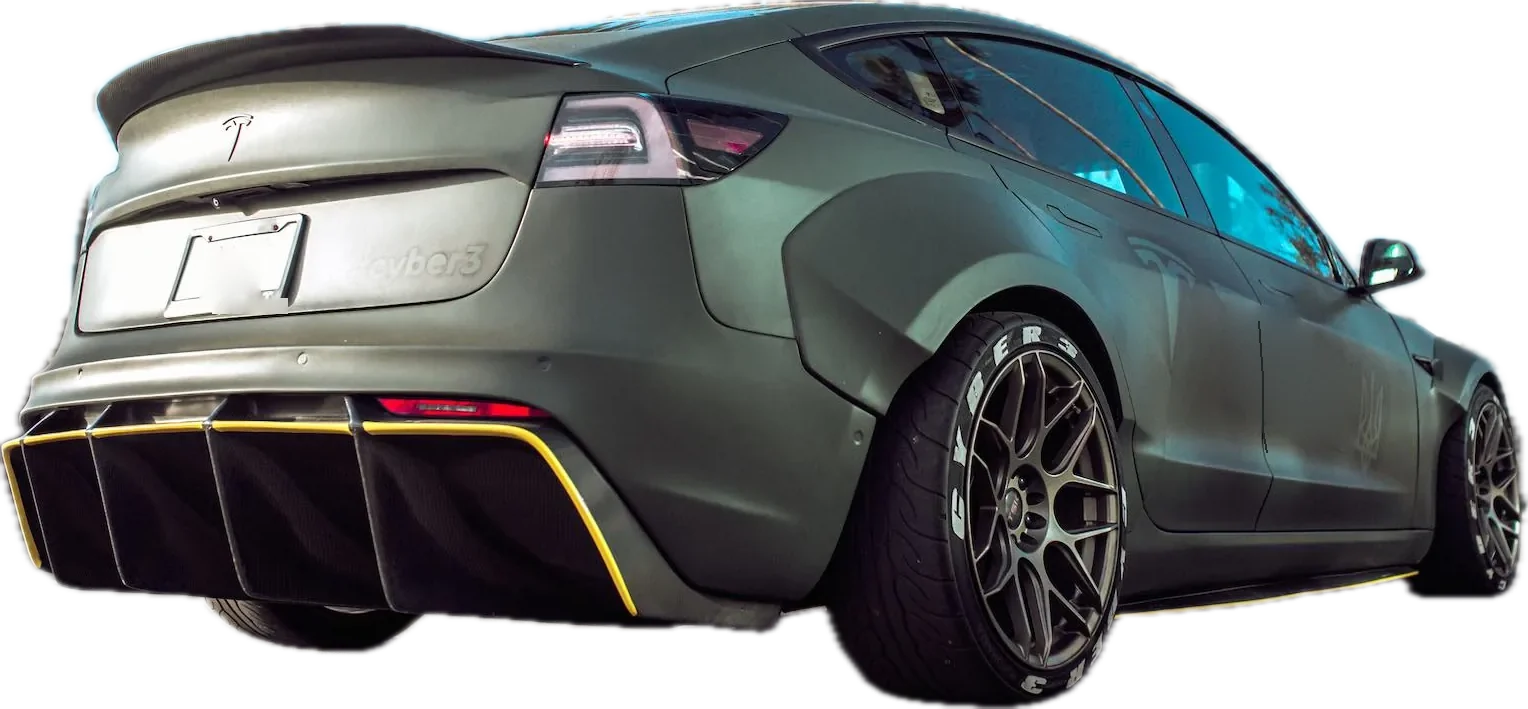
Started as Tesla Model 3
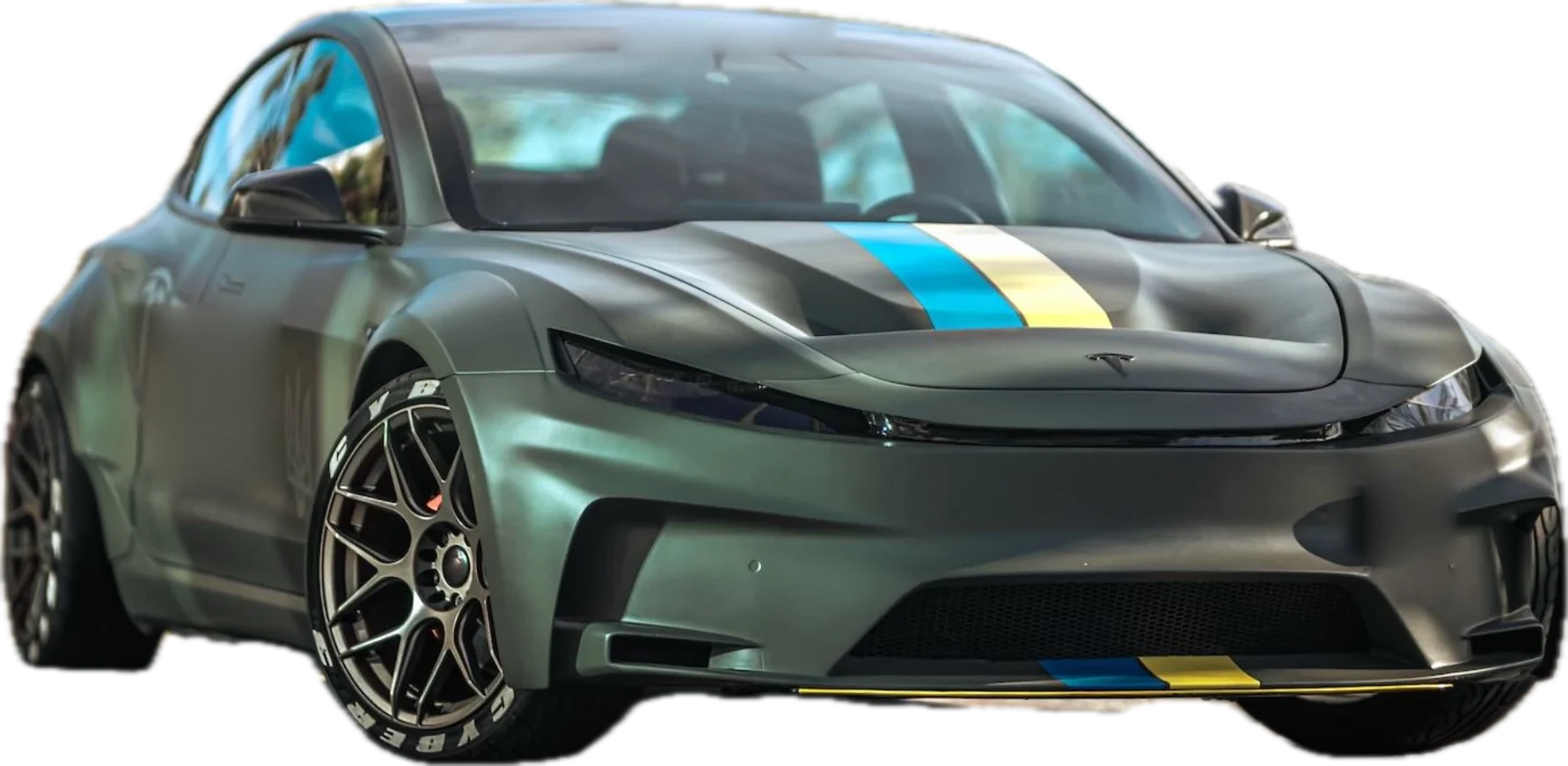
A Model 3 widened as far as it goes, with new optics, not overlays.
CYBERHOOLIGANS
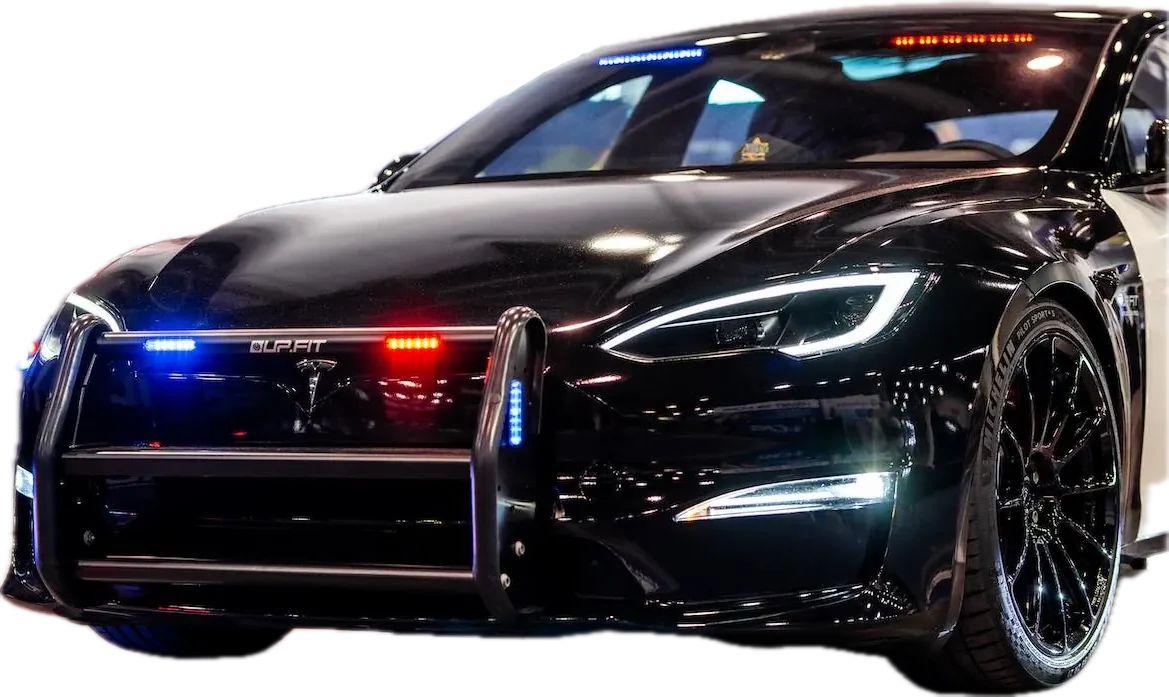
Started as Tesla Model S
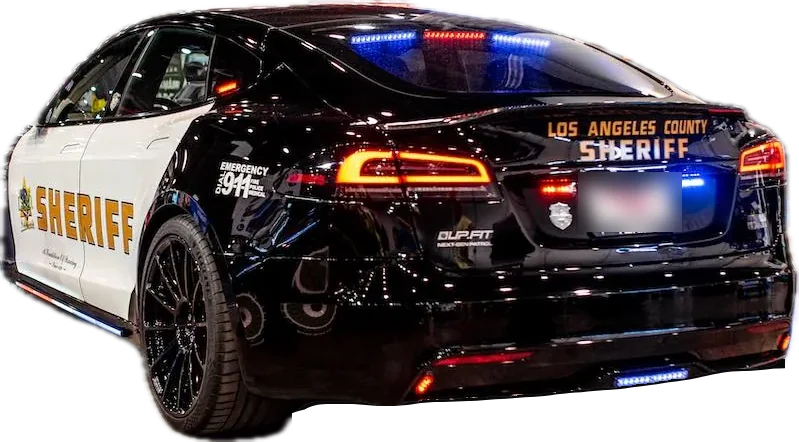
A Model S rebuilt from a stripped shell into a pursuit car for the LA County Sheriff.
CYBERHOOLIGANS
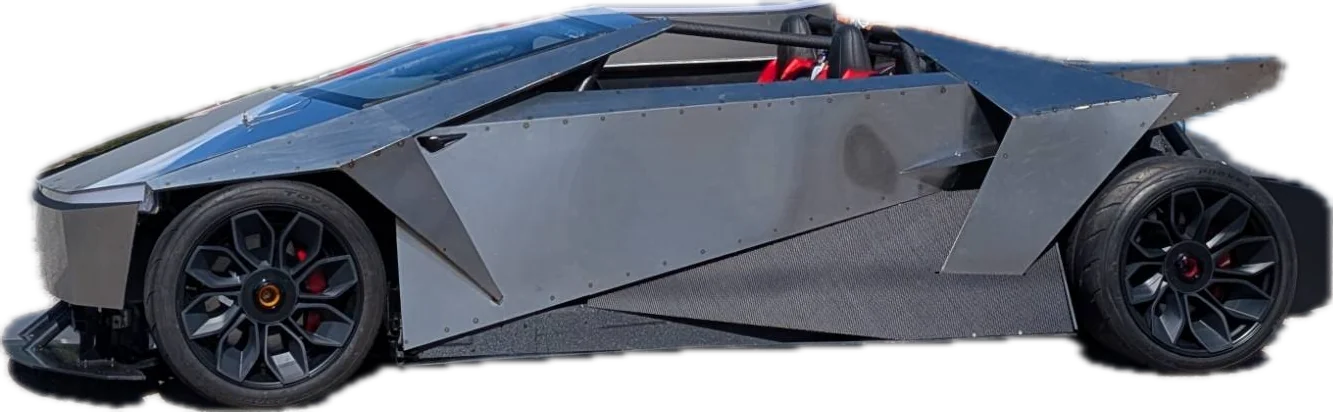
Started as Tesla Model S Plaid
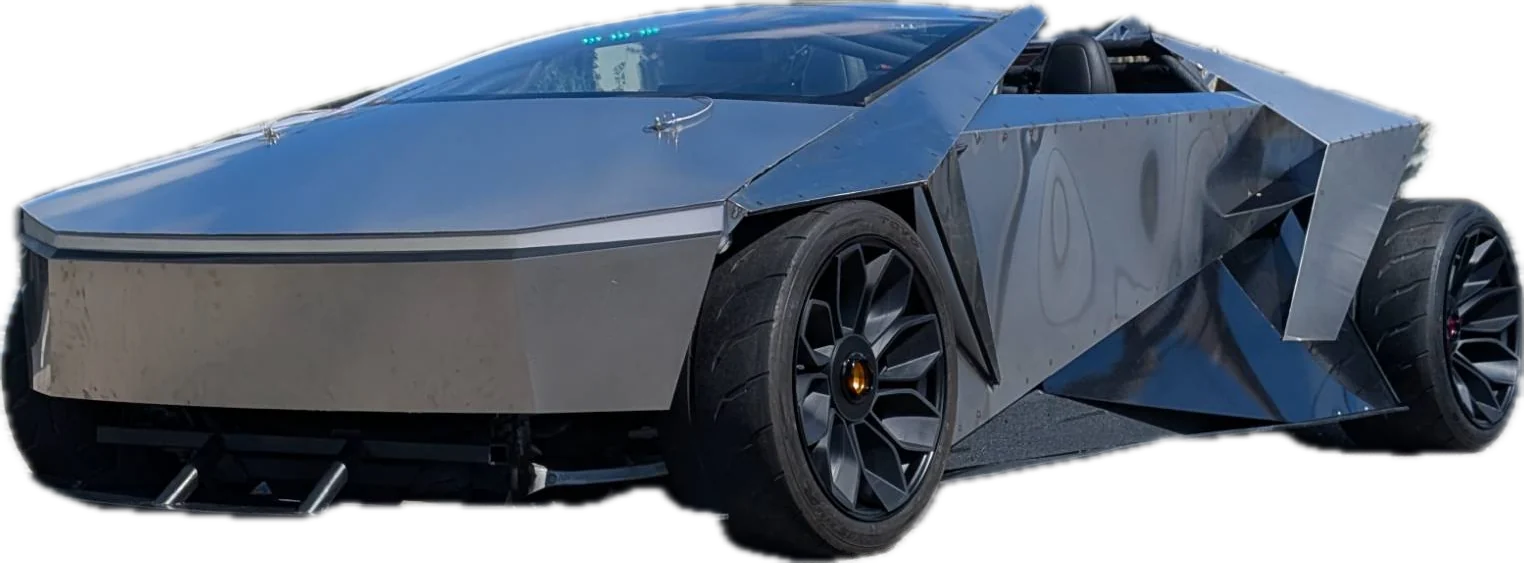
A Model S Plaid rebuilt as a stainless steel roadster.
CYBERHOOLIGANS
The only poster nobody has seen yet.
Start your buildCYBERHOOLIGANS